Quality control is the backbone of any successful civil engineering project. In my role as a provider of civil engineering test services, I’ve witnessed firsthand the significance of rigorous testing in ensuring the safety, durability, and functionality of infrastructure. This blog post will delve into the process of quality control through civil engineering tests, sharing insights from my years of experience in the industry. Civil Engineering Test
Understanding the Project Scope
The first step in the quality control process is to thoroughly understand the project scope. Every civil engineering project, whether it’s a high – rise building, a bridge, or a road, has its own set of requirements and specifications. As a test provider, I work closely with project managers, architects, and engineers to gather detailed information about the project. This includes the design plans, the intended use of the structure, and any local building codes or regulations.
For example, when working on a bridge project, I need to know the expected traffic load, the environmental conditions such as wind and seismic activity in the area, and the type of materials proposed for construction. This information helps me determine which tests are necessary to ensure the bridge meets all safety and performance standards.
Selecting Appropriate Tests
Based on the project scope, I then select the appropriate tests. There are a wide range of civil engineering tests available, each designed to evaluate different aspects of a construction project.
Material Tests
Material tests are fundamental to quality control. They assess the properties of construction materials such as concrete, steel, asphalt, and soil. For concrete, tests like compressive strength testing are crucial. I take samples of fresh concrete at the construction site and cure them in a laboratory under controlled conditions. After a specified period, usually 7, 14, or 28 days, I test the samples to determine their compressive strength. This ensures that the concrete can withstand the loads it will be subjected to in the actual structure.
Steel is another vital material, especially in high – rise buildings and bridges. I perform tests such as tensile strength testing and hardness testing. Tensile strength testing measures the maximum stress a steel specimen can withstand before breaking, while hardness testing assesses its resistance to indentation.
Soil tests are also essential, especially for foundation design. I conduct tests like the standard proctor test, which determines the maximum dry density and optimum moisture content of soil. This information helps engineers design a stable foundation that can support the structure without excessive settlement.
Structural Tests
Structural tests evaluate the overall integrity and performance of a structure. Non – destructive testing methods, such as ultrasonic testing and radiography, are used to detect internal defects in concrete and steel structures. Ultrasonic testing involves sending high – frequency sound waves through the material and analyzing the signals to identify any flaws like cracks or voids.
Load testing is another important structural test. For example, in a building, I might perform a load test on a floor system to ensure it can support the expected live and dead loads. This involves applying a known load to the structure and measuring its response, such as deflection or strain.
Environmental Tests
Environmental tests assess the impact of the environment on the structure and vice versa. For example, corrosion testing is crucial for structures exposed to harsh environments, such as coastal areas. I use techniques like electrochemical impedance spectroscopy to measure the corrosion rate of metals and evaluate the effectiveness of corrosion protection measures.
Test Planning and Scheduling
Once the tests are selected, I develop a detailed test plan and schedule. This plan includes information on the testing locations, the frequency of testing, the equipment required, and the personnel responsible for each test.
For a large – scale construction project, I might need to conduct tests at multiple locations throughout the site. I plan the testing sequence to minimize disruptions to the construction process. For example, I schedule soil tests early in the project to inform the foundation design, while concrete and steel tests are carried out as the construction progresses.
The test schedule is also coordinated with the overall project timeline. Delays in testing can have a cascading effect on the project schedule, so it’s essential to ensure that all tests are completed in a timely manner.
Test Execution
With the test plan and schedule in place, the next step is to execute the tests. This requires a high level of technical expertise and attention to detail.
I use state – of – the – art testing equipment to ensure accurate and reliable results. For example, when performing a non – destructive test on a concrete structure, I use high – resolution ultrasonic testing equipment that can detect even the smallest defects.
During the test execution, I follow strict quality control procedures. This includes calibrating the testing equipment regularly, taking multiple samples or measurements to ensure accuracy, and documenting all the test results in detail.
Data Analysis and Reporting
Once the tests are completed, I analyze the data to draw meaningful conclusions. I compare the test results with the project specifications and industry standards. If the results meet the requirements, it’s a sign that the quality of the construction is satisfactory. However, if there are any deviations, I need to investigate the cause and recommend corrective actions.
I then prepare a comprehensive test report that includes all the test results, the analysis, and any recommendations. This report is shared with the project team, including the project manager, engineers, and clients. The report serves as a crucial documentation of the quality of the construction and helps in making informed decisions about the project.
Corrective Actions and Follow – up
In cases where the test results do not meet the specifications, corrective actions are necessary. These actions can range from making minor adjustments to the construction process to more significant changes, such as replacing defective materials.
I work closely with the project team to implement the corrective actions. After the corrective actions are taken, I conduct follow – up tests to ensure that the issues have been resolved and that the construction now meets the quality standards.
Importance of Quality Control in Civil Engineering
Quality control through civil engineering tests is of utmost importance for several reasons. Firstly, it ensures the safety of the public. A poorly constructed structure can pose a significant risk to the people who use it, whether it’s a building, a bridge, or a road. By conducting thorough tests, we can identify and address any potential safety hazards before the structure is put into use.
Secondly, quality control helps in ensuring the durability of the structure. Infrastructure projects are long – term investments, and it’s essential that they can withstand the test of time. Civil engineering tests help in selecting the right materials and construction methods that will ensure the longevity of the structure.
Finally, quality control can save costs in the long run. Detecting and correcting issues early in the construction process is much more cost – effective than dealing with problems after the structure has been completed. By investing in quality control through tests, we can avoid costly repairs and renovations in the future.
Conclusion
In conclusion, the process of quality control through civil engineering tests is a comprehensive and multi – step process that involves understanding the project scope, selecting appropriate tests, planning and scheduling the tests, executing them, analyzing the data, and taking corrective actions as needed. As a civil engineering test provider, I play a crucial role in ensuring the quality and safety of construction projects.
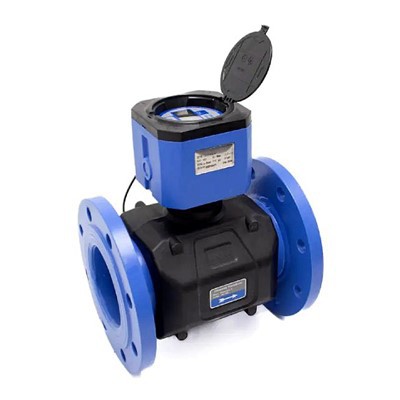
Turbine Flow Meter If you are involved in a civil engineering project and need reliable and accurate test services, I invite you to contact me to discuss your specific requirements. Our team of experts is dedicated to providing high – quality testing and ensuring that your project meets all the necessary standards.
References
- "Civil Engineering Testing Handbook" by John Smith, 2018
- "Quality Control in Construction" by Jane Doe, 2020
- "Structural Testing and Evaluation" by Mark Johnson, 2019
Dalian Yheng Technology Co., Ltd.
Dalian Yheng Technology Co., Ltd. is one of the leading civil engineering test manufacturers and suppliers in China, also supports customized service. We warmly welcome you to buy high quality civil engineering test in stock here from our factory. Contact us for more details.
Address: F1605, NO.10 Huoju road, High-tech Industrial Zone, Dalian, China
E-mail: admin@dlyheng.com
WebSite: https://www.yhengphmeter.com/
