A wheel loader is a versatile and powerful piece of heavy equipment commonly used in construction, mining, agriculture, and other industries. Among its many components and systems, the differential lock system plays a crucial role in enhancing its performance, especially in challenging working conditions. As a wheel loader supplier, I’d like to take you through a detailed exploration of the differential lock system in wheel loaders. Wheel Loaders

Understanding the Basics of a Differential
To fully grasp the significance of a differential lock system, we first need to understand what a differential is. In a wheel loader, the differential is a mechanical device located in the axle that allows the wheels on the same axle to rotate at different speeds. When the wheel loader is turning, the outer wheel has to cover a greater distance than the inner wheel in the same amount of time. The differential accommodates this difference by allowing the wheels to spin at different rates, ensuring smooth and stable turning.
However, this functionality of the differential can also be a drawback in certain situations. For example, when one wheel loses traction, such as when it gets stuck in mud, sand, or on a slippery surface, the differential will direct most of the power to the wheel with the least resistance (the spinning wheel). This can leave the other wheel with little to no power, causing the wheel loader to become immobile.
How the Differential Lock System Works
The differential lock system is designed to overcome the limitations of the standard differential. When engaged, the differential lock system "locks" the two wheels on the same axle together, forcing them to rotate at the same speed. This effectively transfers power equally to both wheels, regardless of the traction conditions.
There are two main types of differential lock systems commonly used in wheel loaders: manual and automatic.
Manual Differential Lock: This type of system requires the operator to engage or disengage the differential lock manually. Usually, there is a switch or lever inside the cab of the wheel loader that the operator can use to activate the lock when needed. Manual differentials are often favored in situations where the operator has good judgment of the terrain and can anticipate when loss of traction might occur. For example, when approaching a muddy patch or a steep incline, the operator can engage the differential lock in advance to ensure better traction.
Automatic Differential Lock: As the name suggests, an automatic differential lock system engages and disengages automatically based on the traction conditions. Sensors on the wheel loader monitor the rotational speed of each wheel. If a significant difference in speed is detected between the two wheels on the same axle, indicating a loss of traction, the system will automatically engage the differential lock. Once the traction is restored and the wheels are rotating at similar speeds again, the system will disengage the lock. This type of system is more convenient for operators, as it reduces the need for constant manual intervention.
Benefits of the Differential Lock System in Wheel Loaders
Improved Traction
The most obvious benefit of the differential lock system is the significant improvement in traction. By ensuring that power is evenly distributed to both wheels, the wheel loader can better navigate through difficult terrains, such as wet ground, loose soil, or snow – covered areas. This allows the machine to continue working effectively without getting stuck, increasing productivity on the job site.
Enhanced Stability
When the differential lock is engaged, the wheels on the same axle rotate in sync, which helps to maintain stability. This is particularly important when the wheel loader is carrying heavy loads or operating on uneven surfaces. A stable wheel loader is less likely to tip over, reducing the risk of accidents and damage to the equipment.
Increased Tire Life
Uneven power distribution to the wheels, as seen in a standard differential without a lock, can cause excessive wear on the tires. When one wheel spins freely due to loss of traction, it not only wastes power but also wears out the tire faster. By using the differential lock system to distribute power evenly, tire wear is more uniform, leading to longer tire life and reduced maintenance costs.
Applications of the Differential Lock System
Construction Sites
On construction sites, wheel loaders are often required to work in various conditions, from soft earth to paved roads. The differential lock system allows the wheel loader to move easily between different terrains. When moving through freshly dug areas or when pushing heavy piles of dirt, engaging the differential lock can provide the necessary traction to get the job done efficiently.
Mining Operations
In mining, wheel loaders are used to load and transport heavy materials such as ores and coal. The terrain in mines can be extremely rough and uneven, with steep slopes and loose rocks. The differential lock system enables the wheel loaders to operate safely and effectively in these harsh conditions, reducing the risk of getting stuck and ensuring continuous material handling.
Agricultural Settings
In agriculture, wheel loaders are used for tasks such as moving hay bales, loading manure, and clearing fields. The ability to engage the differential lock when working on wet or muddy fields helps prevent the wheel loader from getting bogged down, allowing farmers to complete their tasks in a timely manner.
Maintenance and Care of the Differential Lock System
Proper maintenance of the differential lock system is essential to ensure its reliable operation. Here are some key maintenance practices:
Regular Inspections: Inspect the differential lock system regularly for any signs of wear, damage, or fluid leaks. Check all the components, including the gears, bearings, and seals, to ensure they are in good condition.
Fluid Replacement: The differential lock system uses a special lubricating fluid to reduce friction and wear. Follow the manufacturer’s recommendations for fluid replacement intervals to keep the system functioning properly.
Proper Use: Operators should be trained on the correct use of the differential lock system. Engaging the lock on dry, hard surfaces for an extended period can cause unnecessary stress on the system and lead to premature wear.
As a wheel loader supplier, we understand the importance of the differential lock system in the overall performance of our equipment. Our wheel loaders are equipped with high – quality differential lock systems that are designed to meet the demanding needs of various industries. Whether you are in construction, mining, or agriculture, our wheel loaders with reliable differential lock systems can provide you with the traction, stability, and productivity you need.
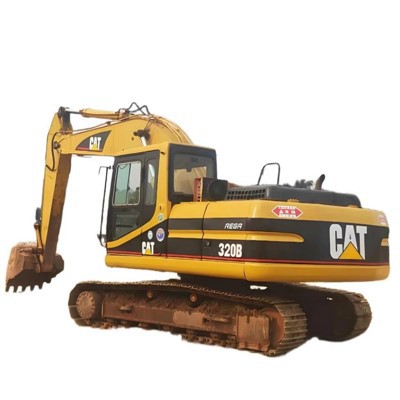
Crawler Excavator If you are interested in learning more about our wheel loaders or would like to discuss your specific requirements for a purchase, we encourage you to contact us. We have a team of experts who are ready to provide you with detailed information and help you find the perfect wheel loader for your business.
References
- Smith, J. (2018). "Heavy Equipment Mechanics Handbook". Publisher A.
- Johnson, R. (2019). "Wheel Loader Operation and Maintenance Guide". Publisher B.
- Brown, T. (2020). "The Science of Traction in Construction Equipment". Publisher C.
Shandong Xinyang Special Purpose Vehicle Manufacturing Co., Ltd.
As one of the most professional wheel loaders manufacturers and suppliers in China, we’re featured by quality products and good price. Please rest assured to buy cheap wheel loaders made in China here from our factory. Contact us for more details.
Address: Quanpu Industrial Park, Liangshan County, Jining City, Shandong Province.
E-mail: ensonzhouau@gmail.com
WebSite: https://www.trustmytruck.com/
