As a food box supplier, I’ve witnessed firsthand the growing popularity of food boxes in recent years. They offer convenience for consumers who want pre – portioned meals or ingredients delivered right to their doorsteps. However, it’s also essential to be transparent about the potential drawbacks. One significant issue is the environmental impact. Food Box
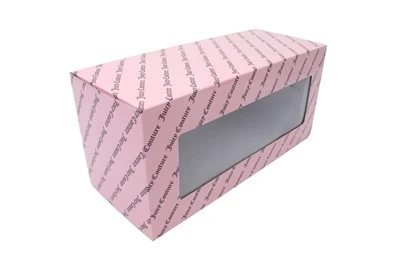
Most food boxes are made from a combination of materials like cardboard, plastic, and sometimes even styrofoam. Cardboard, while biodegradable, often requires large amounts of trees to be cut down for its production. The plastic components, especially single – use plastics used in packaging individual food items or lining boxes for insulation, are extremely harmful to the environment. These plastics can take hundreds of years to decompose. They end up in landfills and oceans, where they pose a significant threat to wildlife. Marine animals often mistake plastic debris for food, leading to ingestion and entanglement, which can be fatal.
A study from the Environmental Protection Agency (EPA) shows that the total amount of plastic waste in the US alone has been steadily increasing. Food box packaging contributes a notable portion to this waste stream. And despite general recycling efforts, a large percentage of plastic food box packaging is not recycled. This is because different types of plastics need to be sorted carefully, and many recycling facilities lack the capacity to handle all the complex plastic products used in food boxes.
Another aspect is related to the cost. For consumers, food boxes can be relatively expensive. These boxes not only include the cost of the food itself but also the additional expenses related to packaging, shipping, and marketing. This makes them less accessible to individuals on tight budgets. From a business perspective, as a food box supplier, we face high procurement costs for high – quality food items. We need to source fresh produce, meats, and other ingredients regularly, which are subject to price fluctuations influenced by factors such as weather conditions, supply chain disruptions, and seasonal availability.
In addition, these cost factors are then passed on to the consumers to some extent. For instance, during the peak of a particular season when the supply of a certain vegetable is limited, we have to pay more to acquire it. This increase in cost is often reflected in the price of the food box that contains that vegetable. As a result, food boxes may not be a sustainable option for long – term meal planning for many families.
Then, there’s the matter of limited food variety. We, as suppliers, try to offer a diverse range of meal options in our food boxes. But due to logistical constraints, we are often restricted in terms of the types of ingredients we can include. We need to consider shelf life, storage requirements, and compatibility with other ingredients in the box. This means that some exotic or region – specific foods might not be included in our regular food box offerings.
For example, tropical fruits with short shelf lives, such as rambutan or lychees, are difficult to include in food boxes because they need to be consumed quickly after being harvested. Also, we may not be able to offer a wide range of heritage or heirloom varieties of vegetables and grains because they are often less available in large quantities compared to common commercial varieties. This lack of variety can lead to a monotonous diet for consumers who rely solely on food boxes for their meals.
Food safety is another major concern. While we take all the necessary precautions to ensure that the food in our boxes is safe for consumption, there are still risks involved during the shipping and storage process. Maintaining the correct temperature throughout the supply chain is crucial to prevent the growth of bacteria and other pathogens. If there are any delays in shipping or if the refrigeration equipment fails during transit, the food can spoil.
According to the Centers for Disease Control and Prevention (CDC), improper food handling during transportation can lead to foodborne illnesses. Consumer complaints about receiving spoiled or contaminated food in food boxes are not uncommon. We have put in place strict quality control measures at our end, such as regular temperature checks and proper packaging to maintain food safety. But we still have limited control over external factors like the efficiency of shipping companies and unexpected delays.
Moreover, taste preferences are highly individualized. The meals provided in food boxes are designed to appeal to a broad customer base, which means they may not cater to the specific taste preferences of every consumer. For example, we may season a dish in a way that we think is generally appealing, but some customers may find it too spicy or too sweet. There’s also the issue of cultural differences in food preferences. Our food boxes may be mostly focused on Western – style cuisine, which may not satisfy the dietary needs and preferences of consumers from different cultural backgrounds.
The convenience factor of food boxes can also have a negative impact on consumers’ cooking skills. Since the food boxes come with pre – measured ingredients and often detailed cooking instructions, some consumers may become overly reliant on them. This can prevent them from developing their own cooking creativity and learning how to cook from scratch. Over time, they may lose the ability to improvise in the kitchen or experiment with different ingredients and flavors.
Despite these disadvantages, we, as a food box supplier, are committed to addressing these issues. We are constantly exploring new and sustainable packaging materials to reduce our environmental footprint. We are also working on optimizing our supply chain to reduce costs and make our food boxes more affordable for a wider range of consumers.
In terms of variety, we are partnering with local farmers and food producers to source unique and seasonal ingredients. And regarding food safety, we are investing in better cold – chain technology to ensure that the food reaches our customers in the best possible condition.
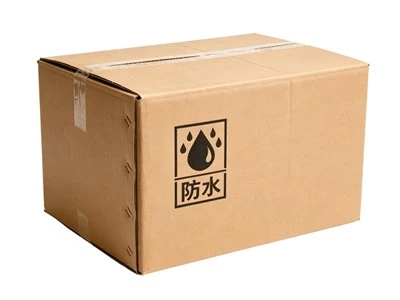
If you are interested in learning more about our food boxes, understanding how we tackle these challenges, or wish to discuss procurement opportunities, please feel free to reach out. We are always open to engaging in conversations with potential partners and customers, and we believe that together, we can find solutions that balance the convenience of food boxes with the various concerns we’ve discussed.
Shoe Box References
- Environmental Protection Agency, "Plastic Waste in the United States"
- Centers for Disease Control and Prevention, "Foodborne Illnesses Caused by Improper Food Handling During Transportation"
Dongguan Jinying Printing Co., Ltd.
As one of the most experienced food box manufacturers and suppliers in China and Vietnam, we also support custom service and OEM service. Welcome to buy bulk luxury food box at competitive price from our factory. If you have any enquiry about cooperation, please feel free to email us.
Address: No. 5, 1st Road, Jingshan Third Industrial Zone, Chashan Town, Dongguan City, Guangdong Province
E-mail: inquiry@dg-jinying.com
WebSite: https://www.gpspacking.com/
