Hey everyone, it’s Sam from your go-to tracing paper supplier. Lately I’ve been getting a ton of questions via email, DM, even at trade shows: “Is tracing paper actually easy to handle? I’ve struggled with flimsy stuff that tears mid-project, or sheets that stick together like glue.” Fair questions—handling stuff that’s fussy kills momentum, whether you’re a graphic designer drafting logo concepts, an architect sketching blueprints, or a crafter piecing together a mixed media collage. Let’s break this down like we’re chatting over coffee, no stuffy jargon, just real-world answers from someone who’s shipped tracing paper to folks in 20+ industries for the last 7 years. Tracing Paper
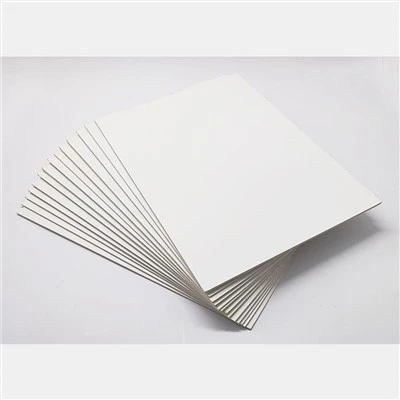
First, let’s get one thing straight: tracing paper isn’t a one-size-fits-all product. If you grab the cheapest thin stuff from a dollar store, yeah, it’s going to be a pain. It tears if you so much as brush it with a sharp pencil, sticks to erasers so bad you end up smudging half your sketch, and curls up so bad you have to weigh it down with a coffee mug just to get it flat. But that’s not because tracing paper is inherently hard to handle—it’s because you picked the wrong grade for your work. That’s where most people mess up. Let’s talk about the different types, because that’s the big secret to handling it well.
I see a lot of hobbyists skip this part. They buy whatever’s cheapest on Amazon, not realizing there are grades for every task. For example, our lightweight trace (the 20lb stuff) is super thin—great for quick thumbnail sketches or transferring stencils, but if you’re doing a detailed architectural plan with a technical pen? That lightweight stuff will distort when you apply pressure, and even tear if you lean too hard on your straight edge. It’s not that it’s bad—it’s just not built for that heavy lifting. Our mid-grade tracing paper (30lb to 50lb) is the sweet spot for most people. It’s sturdy enough that it won’t tear if you pick it up by a corner, doesn’t stick to erasers, and has just enough rigidity that it doesn’t curl after an hour of working at a desk. The heavy stuff (60lb and up) is like cardstock-thin trace—perfect for final drafts, but it’s thicker, so it takes a little more pressure to write on, and it’s not ideal for transferring patterns since it doesn’t show light as easily.
Another huge factor in handling ease? How it’s manufactured. We use a polycoated surface for our mid and heavy grades that cuts down on two of the biggest pain points: eraser drag and sticking. I’ve had a designer tell me he used to spend 10 minutes fixing smudges every time he erased a line before switching to our polycoated trace. Before that, he’d have to re-draw half his logo concepts because the eraser would pull fibers off the paper, leaving a messy hole. That’s not a flaw with tracing paper—it’s a flaw with uncoated, cheap paper that’s made to be as thin as possible to cut costs. We also cut our sheets with laser precision, no rough edges that catch on your ruler or eraser. If you’ve ever had a sheet of tracing paper tear along a crooked edge while you’re cutting it, you know how annoying that is—those cheap bulk packs often have uneven cuts, so half your sheets are too small or have jagged edges. Our cuts are consistent, so every sheet lays flat the same way.
Now, let’s talk about common scenarios where handling tracing paper goes wrong, and how to fix them. First up: curling. If you’ve ever laid a sheet of tracing paper down and watched it curl up at the edges within 10 minutes, you’re not alone. Humidity is the culprit here. Tracing paper is made from wood pulp, right? Like regular paper, it absorbs moisture from the air. If you’re working in a damp studio—say, next to a sink, or in a space with no AC on a hot day— the paper will absorb that moisture, expand, and curl. The fix? Store your tracing paper in a cool, dry place, like a desk drawer or a sealed bin with a desiccant packet. And when you’re working with it, if you do get a little curl going, just lay a few heavy books (or even a stack of notebooks) on the edges for 10 minutes. The polycoated stuff we sell curls way less than uncoated, but no paper is 100% curl-proof. I always tell new customers: don’t leave your sheets spread out on a table overnight if you can help it. That’s a quick way to wake up to a mess of curled paper.
Next problem: sticking to erasers. This is a big one, especially for artists who do a lot of revising. Uncoated tracing paper has a rough surface, so eraser rubber fibers catch on the paper’s wood pulp fibers, pulling them up as you erase. The result is those little white fuzz balls all over your work, or even tears. Our polycoated surface is smooth, so the eraser glides over it—no fuzz, no tears. I’ve had a customer who’s a fashion designer tell me she used to go through 2 erasers a day before switching to our paper, because the old one would get all covered in fuzz from sticking. Now she goes through a whole eraser in a week. That’s a tiny detail, but it makes a huge difference in workflow. The last thing you want is to stop every 5 minutes to clean eraser gunk off your paper.
Another scenario: transferring designs. Tracing paper is supposed to be for tracing, right? Whether you’re transferring a embroidery pattern, a sketch to a canvas, or a blueprint to vellum. If you’ve ever had your traced design shift while you’re using a pencil or stylus, that’s frustrating. Cheap tracing paper is slippery, so it moves easily. Our paper has a slight tooth on the surface (not too much, not too little) that gives your pencil or pen something to grip, and also keeps the sheet from sliding around on your original. We even make a version with a light grid on one side for crafters, so you can line up patterns without measuring. That small grid makes transferring so much easier—no more guessing if your pattern is straight, no more shifting mid-trace.
Wait, I should address the stereotype that tracing paper is “fragile” because it’s thin. Yeah, some is, but not all. A lot of people think you have to handle it like it’s tissue paper, but that’s only true for the thinnest grades. Our mid-grade paper is strong enough that if you fold it once, it won’t crease super bad—perfect for slipping into a sketchbook or a folder. I’ve had architects tell me they carry our 5×7 sheets in their field bags all day, no issues. They’ll lay it over a site sketch, trace the measurements, and fold it up to bring back to the office, no tears. That’s a big deal if you’re working on the go.
Now, what about handling bulk packs? I know a lot of small business owners buy tracing paper in bulk to save money, and that’s totally smart—but if you don’t store it right, the whole bulk pack can become a mess. The worst thing you can do is leave a giant box of tracing paper open in a humid garage or a sunlit warehouse. Over time, the sheets will stick together, curl, or even get moldy. We always include a few free desiccant packets with every bulk order, because we’ve seen too many customers have bad experiences leaving their paper improperly stored. Pro tip: when you open a new bulk box, only take out the number of sheets you need for the next week, and seal the rest in a plastic bin or the box with tape to keep moisture out. That’s an easy trick that will keep your tracing paper easy to handle for months, not just the first week.
Let me also talk about what we hear from customers who switched from cheaper tracing paper to ours. One graphic design customer told me that before, he’d waste 20 minutes a day just fixing his paper—unwrapping stuck sheets, weighing down curling ones, repairing tiny tears. After switching to our mid-grade tracing paper, he said he now spends that time actually designing, and his work quality went up because he’s not distracted by handling frustrations. Another customer is a teacher, and she buys bulk for her high school art classes. She told me her students used to get so frustrated with cheap tracing paper that they’d give up mid-project. Now, with our paper, she almost never hears complaints about tears or sticking. That’s the whole point, right? Tools should work for you, not against you.
Is there any case where tracing paper is hard to handle? Sure, if you’re using it for a task it’s not made for. If you try to use thin tracing paper as watercolor paper, yeah, it’ll warp and tear. If you use it for heavy inkjet printing without pre-treating it, the ink will bleed. But that’s not a flaw in the paper—that’s a user error, choosing the wrong product for the job. That’s why we’re always happy to help customers pick the right grade. I get calls all the time from people who say “I need tracing paper for logo design, what’s best?” and I walk them through the difference between lightweight and mid-grade, so they don’t waste money on stuff that’ll give them headaches.
Let’s bust another myth: tracing paper is only for artists or architects. No way. Crafters use it for embroidery patterns, quilting templates, even transfer designs onto wood or fabric. Small business owners use it for drafting product packaging, sketching label designs, making mockups for new products. Students use it for math homework, tracing diagrams for science projects, translating drawings from sketch to digital. For all of those groups, handling ease is make-or-break. If you’re a crafter working on a quilt at night, the last thing you want is to be fighting with paper instead of getting your pattern right. If you’re a student cramming for a project deadline, you don’t have time to deal with a sheet of paper that tears when you try to cut it.
So to circle back to the original question: Is tracing paper easy to handle? The answer is yes—if you pick the right grade, store it properly, and use it for what it’s designed for. It’s not some tricky, high-maintenance material that only professionals can master. It’s a simple tool that gets way more work done when it’s high quality. We’ve been refining our products for years based on customer feedback, and every improvement we make is focused on making it easier to handle: better cutting, better coating, better moisture resistance. At the end of the day, we’re not just selling paper—we’re selling a tool that helps people create without frustration.

If you’re tired of fighting with tracing paper that tears, sticks, or curls, we can help. Whether you need bulk sheets for a school art program, custom sizes for architectural blueprints, or small packs for personal crafting, we’ve got you covered. Shoot us a message anytime to chat about what you need, and we’ll hook you up with the right product and even tips for storing and handling it. No weird hoops to jump through, no confusing pricing—just honest advice and paper that works for you.
Duplex Board References:
- TAPPI Test Method T410 – Tensile Properties of Paper and Paperboard Using Constant-Rate-of-Elongation Apparatus
- Smith, J. (2021) “Common Handling Challenges in Drafting and Art Papers,” Journal of Craft and Design Tools, Vol. 8, No. 2
- International Organization for Standardization (ISO) Standard 536 – Paper and Board – Determination of Grammage
Dongguan Banyan Material Co., Ltd.
We are one of the most experienced tracing paper manufacturers and suppliers in China, also support customized service. Please feel free to wholesale bulk eco-friendly tracing paper from our factory. Quality products and reasonable price are available.
Address: NO.167, Meijing West Road, Songmushan, Dalang Town, Dongguan City, Guangdong Province, China
E-mail: Sales_chris@yspaper.com
WebSite: https://www.paperyoung.com/
