Hey there! As a supplier of aluminum sand castings, I’ve been in the game for quite a while, and I know how crucial it is to improve the yield rate. In this post, I’ll share some practical tips and tricks that I’ve gathered over the years to help you boost the yield rate of aluminum sand castings. Aluminum Sand Castings
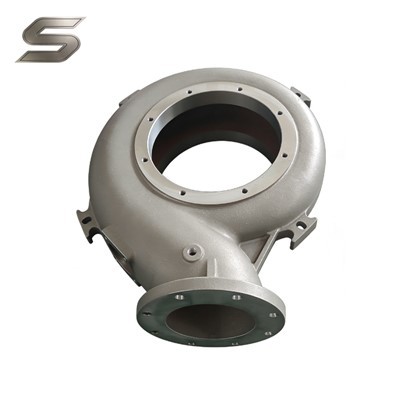
Understanding the Basics of Aluminum Sand Casting
Before we dive into the ways to improve the yield rate, let’s quickly go over what aluminum sand casting is. It’s a manufacturing process where molten aluminum is poured into a sand mold to create a desired shape. The process is relatively inexpensive and can be used to produce large and complex parts. However, it also comes with its fair share of challenges, such as porosity, shrinkage, and surface defects, which can all affect the yield rate.
Factors Affecting the Yield Rate of Aluminum Sand Castings
There are several factors that can impact the yield rate of aluminum sand castings. Let’s take a look at some of the most common ones:
1. Mold Design
The design of the sand mold plays a crucial role in the quality and yield rate of the castings. A poorly designed mold can lead to issues like incomplete filling, shrinkage porosity, and hot tears. For example, if the gating system is not designed properly, it can cause uneven flow of the molten aluminum, resulting in defects. Make sure the mold design allows for smooth and uniform filling of the cavity, and provides proper venting to prevent air entrapment.
2. Sand Quality
The quality of the sand used in the mold is another important factor. The sand should have good refractoriness, permeability, and collapsibility. If the sand is too fine, it can reduce permeability, leading to gas porosity in the castings. On the other hand, if the sand is too coarse, it can result in a rough surface finish. Regularly test and monitor the sand properties to ensure they meet the required specifications.
3. Aluminum Alloy Selection
The choice of aluminum alloy can also affect the yield rate. Different alloys have different solidification characteristics, shrinkage rates, and susceptibility to defects. For example, alloys with high silicon content tend to have better fluidity and lower shrinkage, which can improve the casting quality. Consider the specific requirements of the part and choose the appropriate alloy accordingly.
4. Melting and Pouring Process
The melting and pouring process needs to be carefully controlled. Overheating the aluminum can cause excessive oxidation and gas absorption, while improper pouring temperature and speed can lead to defects like cold shuts and misruns. Use a reliable melting furnace and pouring equipment, and follow the recommended melting and pouring parameters.
5. Heat Treatment
Heat treatment can be used to improve the mechanical properties of the aluminum castings, but if not done correctly, it can also cause distortion and cracking. Make sure to follow the proper heat treatment procedures and schedules for the specific alloy being used.
Tips to Improve the Yield Rate
1. Optimize the Mold Design
Work closely with your mold designers to ensure the mold is designed to minimize defects. Use computer-aided design (CAD) and simulation software to analyze the filling and solidification processes before making the actual mold. This can help you identify potential issues and make necessary adjustments early on. For example, you can optimize the gating and riser system to ensure proper feeding of the molten metal and reduce shrinkage porosity.
2. Control the Sand Quality
Establish a strict quality control system for the sand. Regularly check the sand’s grain size distribution, moisture content, and other properties. Use additives to improve the sand’s performance if necessary. For instance, adding a small amount of bentonite can enhance the sand’s strength and collapsibility.
3. Select the Right Aluminum Alloy
Do your research on different aluminum alloys and their properties. Consult with your alloy suppliers to choose the alloy that best suits your application and meets the required mechanical and physical properties. Consider factors such as strength, corrosion resistance, and machinability when making your selection.
4. Improve the Melting and Pouring Process
Invest in high-quality melting and pouring equipment. Use a precise temperature control system to ensure the molten aluminum is at the right temperature for pouring. Train your operators on the proper melting and pouring techniques to minimize human errors. For example, teach them to pour the aluminum smoothly and steadily to avoid splashing and air entrapment.
5. Implement Quality Control Measures
Set up a comprehensive quality control system throughout the casting process. Inspect the raw materials, the molds, and the finished castings at various stages. Use non-destructive testing methods such as X-ray and ultrasonic testing to detect internal defects. This way, you can catch any issues early and take corrective actions before the defective parts reach the customer.
6. Train Your Staff
Make sure your staff is well-trained in all aspects of aluminum sand casting. Provide regular training on new technologies, best practices, and quality control procedures. Encourage them to share their ideas and suggestions for improvement. A well-trained and motivated workforce can significantly contribute to improving the yield rate.
7. Continuously Improve and Innovate
The casting industry is constantly evolving, so it’s important to stay up-to-date with the latest technologies and trends. Look for opportunities to improve your processes and products through continuous improvement initiatives. For example, you can explore the use of new alloys, advanced mold-making techniques, or more efficient casting equipment.
Conclusion

Improving the yield rate of aluminum sand castings is a continuous process that requires attention to detail, proper planning, and a commitment to quality. By optimizing the mold design, controlling the sand quality, selecting the right alloy, improving the melting and pouring process, implementing quality control measures, training your staff, and continuously innovating, you can significantly increase the yield rate and produce high-quality aluminum sand castings.
Investment Casting If you’re looking for a reliable supplier of aluminum sand castings, I’d love to have a chat with you. Whether you have a small project or a large-scale production requirement, I’m here to offer you the best solutions at competitive prices. Don’t hesitate to reach out for a quote and let’s discuss how we can work together to meet your needs.
References
- Campbell, J. (2003). Castings (2nd ed.). Butterworth-Heinemann.
- ASM Handbook Committee. (2008). ASM Handbook Volume 15: Casting. ASM International.
- Clyne, T. W., & Davies, C. H. J. (2001). An Introduction to Metal Casting. Butterworth-Heinemann.
Hebei Shata Machinery Co., Ltd.
Address: No.11 Cangshun Rd., Shijiazhuang, Hebei, China
E-mail: Info@shatamachinery.com
WebSite: https://www.shatamachinery.com/
