As a supplier of solid tires, I’ve often engaged in in – depth discussions with industrial clients regarding the suitability of solid tires for their applications. In this blog post, I’ll delve into the key aspects of solid tires and analyze whether they’re a good fit for industrial settings. Solid Tire
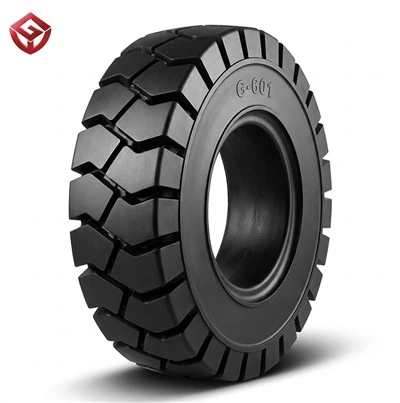
Advantages of Solid Tires in Industrial Applications
Durability and Long – term Cost – effectiveness
One of the most significant advantages of solid tires for industrial applications is their durability. Unlike pneumatic tires, which are prone to punctures from sharp objects such as nails, glass shards, or metal debris commonly found in industrial workplaces, solid tires are made of a single, solid piece of rubber. This construction makes them highly resistant to punctures and cuts.
For example, in a recycling plant, where waste materials are constantly being moved and sorted, pneumatic tires can quickly get damaged by the rough and sharp edges of the recycled items. Solid tires, on the other hand, can withstand the harsh environment for a much longer time. This means fewer tire replacements, which in turn reduces downtime for equipment and saves on the overall cost of tire procurement and maintenance.
Stability and Load – Bearing Capacity
Industrial applications often involve heavy loads. Solid tires are designed to handle substantial weights with ease. Their solid structure provides excellent stability, which is crucial when transporting heavy goods. For instance, in a warehouse where forklifts are used to move pallets of inventory, the stability of the solid tires helps prevent tipping and ensures the safe movement of the loads.
The load – bearing capacity of solid tires is typically higher than that of pneumatic tires of the same size. This allows industrial vehicles to carry more weight without sacrificing safety or performance. As a result, businesses can improve their operational efficiency by moving larger quantities of goods in fewer trips.
Low Maintenance Requirements
Maintenance is an important consideration in industrial applications. Solid tires require minimal maintenance compared to pneumatic tires. There’s no need to check tire pressure regularly, which is a significant advantage in busy industrial environments. Workers can focus on their core tasks without having to worry about tire inflation.
Moreover, since solid tires are less likely to get damaged, there’s less frequent requirement for tire repairs. This reduces the time and resources spent on maintenance activities and allows the industrial equipment to be in operation for longer periods.
Disadvantages of Solid Tires in Industrial Applications
Ride Comfort
One of the main drawbacks of solid tires is the lack of ride comfort. Pneumatic tires act as a shock absorber due to the air inside them. When a vehicle with pneumatic tires encounters bumps or uneven surfaces, the air in the tires compresses and expands, cushioning the impact.
Solid tires, however, do not have this air – filled cushion. As a result, the ride can be much harsher, especially on rough or uneven industrial floors. This can lead to increased operator fatigue, especially during long shifts. For applications where the operator needs to drive the vehicle for extended periods, such as in a large – scale distribution center, the lack of ride comfort can be a significant issue.
Higher Initial Cost
Solid tires generally have a higher initial purchase price compared to pneumatic tires. This is due to the materials used and the manufacturing process. The solid rubber construction requires more raw materials, and the production process is often more complex.
For small – scale industrial operations with a limited budget, the higher upfront cost of solid tires can be a deterrent. They may opt for the more affordable pneumatic tires, even though they may end up spending more on maintenance and replacements in the long run.
Limited Traction in Certain Conditions
While solid tires offer good traction in many industrial settings, they may have limitations in certain conditions. For example, in wet or slippery environments, the solid rubber surface may not provide as much grip as a pneumatic tire with a tread pattern designed for wet conditions.
In a food processing plant where the floors are frequently washed, the reduced traction of solid tires can pose a safety risk. Vehicles may skid more easily, increasing the likelihood of accidents and damage to the equipment and goods.
Factors to Consider When Choosing Tires for Industrial Applications
Type of Industry
Different industries have different requirements. For industries such as mining, construction, and waste management, where the risk of tire punctures is high, solid tires are often the preferred choice. The durability of solid tires can withstand the rough and abrasive conditions in these industries.
On the other hand, industries such as automotive manufacturing, where the floors are relatively smooth and the need for ride comfort is high, pneumatic tires may be more suitable. The smooth ride provided by pneumatic tires can improve operator productivity and reduce fatigue.
Type of Equipment
The type of industrial equipment also plays a crucial role in tire selection. Forklifts, for example, are commonly used in warehouses and distribution centers. They need tires that can handle heavy loads and provide good stability. Solid tires are an excellent option for forklifts, as they can support the weight of the pallets and ensure safe operation.
In contrast, industrial tractors used for outdoor applications may require tires with better traction and shock absorption. Pneumatic tires may be more appropriate for these types of equipment, especially if they need to operate on uneven or soft ground.
Operating Conditions
The operating conditions, including the surface type, temperature, and presence of chemicals, should also be considered. If the industrial floor is made of concrete or asphalt, solid tires can perform well. However, if the surface is soft or muddy, pneumatic tires may be a better choice as they can provide more traction.
In high – temperature environments, such as foundries, solid tires need to be able to withstand the heat without deforming. Special heat – resistant solid tires are available for these types of applications. Similarly, in industries where chemicals are present, the tires need to be resistant to chemical corrosion.
Conclusion: Are Solid Tires Suitable for Industrial Applications?
The answer is that it depends. Solid tires offer numerous advantages in terms of durability, load – bearing capacity, and low maintenance, making them an ideal choice for many industrial applications. However, their drawbacks, such as the lack of ride comfort, higher initial cost, and limited traction in certain conditions, need to be carefully evaluated.

For industrial operations where puncture resistance and long – term durability are the top priorities, solid tires are a great option. They can significantly reduce the cost of tire replacements and maintenance, and improve the overall efficiency of the equipment. On the other hand, if ride comfort, initial cost, or traction in specific conditions are critical factors, pneumatic tires may be more suitable.
Solid Tire If you’re an industrial business owner or manager considering the use of solid tires for your applications, I’d encourage you to reach out. I’m here to provide you with detailed information about our solid tire products, including their specifications, performance in different conditions, and pricing. We can have a thorough discussion to determine if our solid tires are the right fit for your specific needs. Contact us to start a procurement discussion, and together we can find the best tire solution for your industrial operations.
References
- Michelin Industrial Tires Handbook
- Continental Tires Industrial Application Guide
- Bridgestone Solid Tire Technical Manual
Zhejiang Guowei Rubber Co., Ltd.
Zhejiang Guowei Rubber Co., Ltd. is one of the most professional solid tire manufacturers and suppliers in China. With abundant experience, we warmly welcome you to buy advanced solid tire in stock here and get pricelist from our factory. Quality products and reasonable price are available.
Address: No. 10, Nanyang 4th Road, Duqiao Town, Linhai City, Taizhou, Zhejiang Province, China
E-mail: gwsolid@gmail.com
WebSite: https://www.forkliftsolidtires.com/
