Can Abrasive Pads Be Used for Sanding Acrylic?
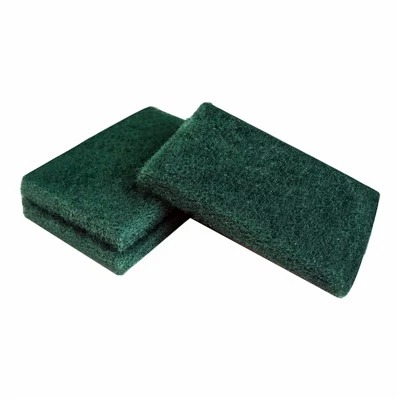
As a supplier of abrasive pads, I often encounter inquiries about the compatibility of our products with various materials. One question that comes up frequently is whether abrasive pads can be used for sanding acrylic. In this blog post, I’ll delve into this topic in detail, exploring the feasibility, best practices, and potential challenges associated with using abrasive pads on acrylic. Abrasive Pads
Understanding Acrylic
Acrylic, also known as polymethyl methacrylate (PMMA), is a popular thermoplastic known for its transparency, high impact resistance, and excellent weatherability. It is widely used in a variety of applications, including signage, display cases, aquariums, and automotive parts. Acrylic has a smooth surface finish, but it may require sanding for several reasons, such as removing scratches, achieving a desired surface texture, or preparing it for bonding or painting.
Feasibility of Using Abrasive Pads on Acrylic
The short answer is yes, abrasive pads can be used for sanding acrylic. However, it’s important to approach the process with caution to avoid damaging the acrylic surface. Abrasive pads are designed to remove material through friction, and acrylic is a relatively soft material compared to metals or ceramics. Using the wrong type of abrasive pad or improper sanding techniques can lead to scratches, crazing, or melting of the acrylic.
Selecting the Right Abrasive Pad
When sanding acrylic, it’s crucial to choose an abrasive pad with the appropriate grit size and composition. The grit size refers to the coarseness of the abrasive particles on the pad, and it determines the rate of material removal and the resulting surface finish. For acrylic, it’s generally recommended to start with a relatively fine grit pad, such as 400-grit, to minimize the risk of scratching. As the sanding progresses, you can gradually move to finer grits, such as 600-grit, 800-grit, and 1000-grit, to achieve a smoother surface finish.
In addition to the grit size, the composition of the abrasive pad is also important. For acrylic, it’s best to use a non-metallic abrasive pad, such as a silicon carbide or ceramic abrasive pad. Metallic abrasive pads can leave behind metal particles on the acrylic surface, which can cause corrosion or discoloration over time.
Sanding Techniques
Proper sanding techniques are essential to ensure a smooth and even surface finish on the acrylic. Here are some tips to keep in mind:
- Wet Sanding vs. Dry Sanding: Wet sanding is generally preferred when sanding acrylic because it helps to reduce heat buildup and minimize the risk of scratching. To wet sand, simply soak the abrasive pad in water before use and keep the surface of the acrylic wet during the sanding process. You can use a spray bottle or a damp cloth to keep the surface moist.
- Light Pressure: Apply light pressure when sanding the acrylic to avoid over-sanding or causing damage to the surface. Let the abrasive pad do the work, and avoid pressing too hard or using excessive force.
- Even Strokes: Use even, consistent strokes when sanding the acrylic to ensure a uniform surface finish. Avoid sanding in a circular motion, as this can create swirl marks on the surface.
- Change Abrasive Pads Regularly: As the abrasive particles on the pad wear down, they become less effective at removing material and can cause scratching. To ensure a smooth and even surface finish, it’s important to change the abrasive pad regularly, especially when using a coarse grit pad.
Benefits of Using Abrasive Pads for Sanding Acrylic
Using abrasive pads for sanding acrylic offers several benefits, including:
- Versatility: Abrasive pads come in a variety of grit sizes and shapes, making them suitable for a wide range of sanding applications on acrylic. Whether you need to remove deep scratches or achieve a mirror-like finish, there’s an abrasive pad that’s right for the job.
- Ease of Use: Abrasive pads are easy to use and can be quickly attached to a sanding block or a power sander. They are also lightweight and portable, making them ideal for both professional and DIY projects.
- Cost-Effective: Abrasive pads are relatively inexpensive compared to other sanding tools, such as sandpaper discs or belts. They are also reusable, which means you can save money in the long run by using them multiple times.
Potential Challenges and Solutions
While abrasive pads can be effective for sanding acrylic, there are some potential challenges that you may encounter. Here are some common issues and solutions:
Scratching
Scratching is one of the most common problems when sanding acrylic. It can occur if you use the wrong type of abrasive pad, apply too much pressure, or use a dirty or worn-out pad. To prevent scratching, make sure to choose the right abrasive pad for the job, apply light pressure, and keep the surface of the acrylic clean and wet during the sanding process. If you do notice scratches on the surface, you can try sanding them out with a finer grit pad or using a polish to buff them out.
Crazing
Crazing refers to the formation of fine cracks on the surface of the acrylic. It can occur if the acrylic is exposed to too much heat or pressure during the sanding process. To prevent crazing, make sure to use a wet sanding technique and avoid applying too much pressure. If you do notice crazing on the surface, you may need to replace the acrylic or seek professional help to repair it.
Melting
Melting can occur if the acrylic is exposed to too much heat during the sanding process. This can happen if you use a high-speed power sander or apply too much pressure. To prevent melting, make sure to use a low-speed power sander or a sanding block, apply light pressure, and keep the surface of the acrylic wet during the sanding process. If you do notice melting on the surface, you may need to stop sanding and let the acrylic cool down before continuing.
Conclusion
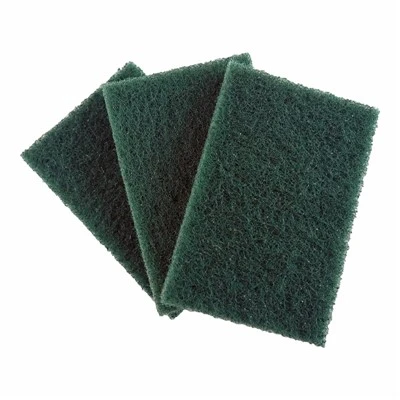
In conclusion, abrasive pads can be used for sanding acrylic, but it’s important to choose the right type of abrasive pad and use proper sanding techniques to avoid damaging the surface. By selecting an appropriate grit size and composition, using a wet sanding technique, and applying light pressure, you can achieve a smooth and even surface finish on the acrylic. If you have any questions or need further advice on sanding acrylic with abrasive pads, please don’t hesitate to contact us. We’re here to help you find the right solution for your sanding needs.
Scouring Pads If you’re interested in purchasing abrasive pads for sanding acrylic or other materials, we invite you to contact us for a quote. Our team of experts can help you select the right abrasive pads for your specific application and provide you with all the information you need to ensure a successful sanding project. We look forward to hearing from you and working with you to meet your sanding needs.
References
- "Acrylic: Properties, Processing, and Applications." Plastics Technology Handbook, edited by Myer Kutz, John Wiley & Sons, 2018.
- "Sanding and Polishing Acrylic." DIY Network, https://www.diynetwork.com/how-to/skills-and-know-how/carpentry/sanding-and-polishing-acrylic.
- "How to Sand Acrylic Plastic." eHow, https://www.ehow.com/how_4847437_sand-acrylic-plastic.html.
Guangzhou YION New Material Technology Co., Ltd.
As one of the most professional abrasive pads manufacturers and suppliers in China, we offer a wide range of products with superior quality. Please feel free to buy customized abrasive pads made in China here from our factory. Also, quotation is available.
Address: Room 110, Building 2, No. 2 Jinhuan Street, Nansha District, Guangzhou City, Guangdong Province, China.
E-mail: info@yiontech.cn
WebSite: https://www.yionpads.com/
