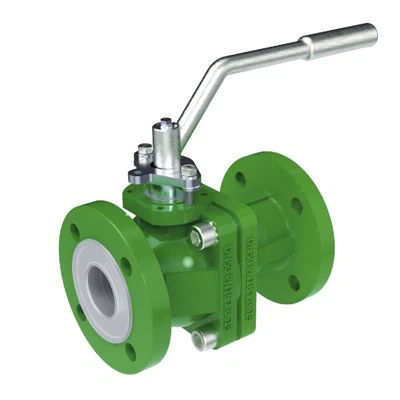
As a seasoned supplier of cryogenic ball valves, I’ve witnessed firsthand the critical role these valves play in various industrial applications. One of the common concerns that our customers often bring up is how to adjust the opening and closing speed of a cryogenic ball valve. In this blog post, I’ll share some practical insights and methods based on our extensive experience in the field. Cryogenic Ball Valve
Understanding the Importance of Adjusting Opening and Closing Speed
Before delving into the adjustment methods, it’s essential to understand why adjusting the opening and closing speed of a cryogenic ball valve matters. In cryogenic systems, where extremely low temperatures are involved, rapid opening or closing of the valve can lead to several issues. For example, a sudden opening can cause a pressure surge, which may damage the valve itself or other components in the system. On the other hand, a too-slow closing might allow for the leakage of cryogenic fluids, posing safety risks and potentially causing product loss. Moreover, in processes where precise control of flow is required, the opening and closing speed directly impacts the accuracy of flow regulation.
Factors Affecting Opening and Closing Speed
Several factors can influence the opening and closing speed of a cryogenic ball valve. Firstly, the design of the actuator plays a crucial role. Different types of actuators, such as pneumatic, electric, or hydraulic, have their own speed characteristics. Pneumatic actuators, for instance, can provide relatively fast opening and closing speeds, but their speed can be affected by the air pressure and the volume of the air supply. Electric actuators, on the other hand, offer more precise speed control but may be limited by their motor power and gearing ratio.
Secondly, the friction within the valve also affects the speed. In a cryogenic environment, the low temperatures can cause changes in the physical properties of the valve components, such as the seat and the ball. This can lead to increased friction, which slows down the opening and closing process. Additionally, the viscosity of the cryogenic fluid flowing through the valve can also have an impact. Higher viscosity fluids can create more resistance, making it more difficult for the valve to open or close quickly.
Finally, the piping system connected to the valve can influence its speed. The length, diameter, and configuration of the pipes can affect the flow resistance and pressure drop. A piping system with high resistance can make it harder for the valve to open or close rapidly.
Methods for Adjusting Opening and Closing Speed
Actuator Adjustment
If you’re using a pneumatic actuator, adjusting the air pressure is one of the simplest ways to change the opening and closing speed. By increasing the air pressure, you can generally increase the force applied to the valve, resulting in a faster opening or closing. However, it’s important to note that exceeding the recommended pressure can cause damage to the actuator or the valve. Most pneumatic actuators are equipped with pressure regulators that allow for fine-tuning of the air pressure.
For electric actuators, adjusting the speed often involves modifying the motor settings. Some electric actuators have built-in speed control functions that can be adjusted through a control panel or a programming interface. You can typically adjust parameters such as the acceleration and deceleration time, as well as the constant speed during the opening and closing process. This allows for a more customized and precise adjustment of the valve speed.
Hydraulic actuators can also be adjusted to change the opening and closing speed. By adjusting the flow rate of the hydraulic fluid, you can control the speed of the actuator. This can be done using flow control valves installed in the hydraulic circuit. Similar to pneumatic and electric actuators, it’s important to follow the manufacturer’s recommendations when making adjustments to ensure safe and proper operation.
Valve Friction Reduction
To reduce the friction within the valve and improve the opening and closing speed, proper lubrication is crucial. In a cryogenic environment, special cryogenic lubricants are required to ensure that they can withstand the low temperatures. These lubricants can be applied to the valve seats, stems, and other moving parts to minimize friction.
Regular maintenance and inspection of the valve are also essential. Any signs of wear or damage to the valve components should be addressed promptly. Replacing worn-out seals, seats, or bearings can help restore the smooth operation of the valve and improve its opening and closing speed.
Piping System Optimization
Optimizing the piping system can also have a significant impact on the opening and closing speed of the cryogenic ball valve. Firstly, ensure that the piping is properly sized to minimize flow resistance. A larger diameter pipe can generally accommodate a higher flow rate with less pressure drop.
Additionally, reducing the number of bends, elbows, and other fittings in the piping can also lower the resistance. Straight runs of pipe are ideal for minimizing flow restrictions and allowing for faster valve operation. If possible, eliminate any unnecessary valves or other components in the piping system that may contribute to increased resistance.
Case Studies and Real-World Applications
Let’s take a look at a few real-world examples to illustrate the importance of adjusting the opening and closing speed of cryogenic ball valves. In a liquefied natural gas (LNG) production facility, a cryogenic ball valve was used to control the flow of LNG from a storage tank to a transport vessel. Initially, the valve was opening too quickly, causing a significant pressure surge in the piping system. This led to vibrations and potential damage to the valves and pipes. By adjusting the pneumatic actuator to reduce the opening speed, the pressure surge was eliminated, and the system operated more smoothly.
In a semiconductor manufacturing process, precise control of the flow of cryogenic coolants was required. The electric actuators of the cryogenic ball valves were adjusted to provide a slow and steady opening and closing speed, ensuring accurate flow regulation. This allowed for better control of the temperature in the manufacturing process, resulting in higher quality semiconductor products.
Conclusion
Adjusting the opening and closing speed of a cryogenic ball valve is a critical task that requires a good understanding of the factors involved and the appropriate adjustment methods. By properly adjusting the actuator, reducing valve friction, and optimizing the piping system, you can ensure the safe and efficient operation of the cryogenic valve in your application.
Actuator As a leading supplier of cryogenic ball valves, we have a wealth of experience and expertise in this field. Our team of engineers is always ready to provide you with professional advice and solutions tailored to your specific needs. If you’re looking for reliable cryogenic ball valves or need assistance with valve speed adjustment, we invite you to contact us for a procurement discussion. We’re committed to delivering high-quality products and excellent customer service.
References
- "Handbook of Cryogenic Engineering"
- "Valve Handbook"
- Industry standards and guidelines related to cryogenic ball valve operation and maintenance.
Wuxi PYNOS Flow-tech Co., Ltd.
As one of the leading cryogenic ball valve manufacturers and suppliers in China, we offer a wide range of products with superior quality. We warmly welcome you to buy high quality cryogenic ball valve made in China here from our factory. We also accept customized orders.
Address: Sales Center: 7th Floor, No.19 Qingyuan RD, Wuxi City, Jiangsu Prov., China
E-mail: Info@pynosvalve.com
WebSite: https://www.pynosvalves.com/
