If you’re reading this, odds are you’re either a fellow tripod and forkhead owner who’s tired of dealing with stuck legs, wonky alignment, or parts that wear out way faster than they should, or you just got on my radar as someone looking for a reliable go-to supplier for these long-lasting, heavy-duty parts. I’ve been in the game for over 10 years, supplying tripod and forkhead components to small farm shops, mobile heavy equipment teams, and even a couple of forestry outfitters across the Midwest, and I can tell you right now—most of the issues people run into with these parts aren’t from bad manufacturing. They’re from skipping simple, consistent maintenance. Tripod & Forkhead
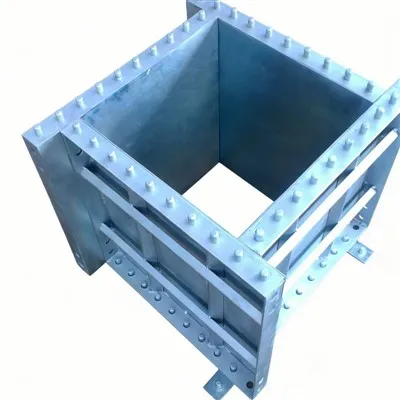
Let’s cut the jargon for a sec: tripod and forkheads are those two core parts on almost every kind of lifting, stabilizing, or positioning rig you’ll use for heavy work. Tripods are the three-legged stand that keeps your load from tipping, and the forkhead is the part that connects the tripod’s top to whatever you’re lifting or holding. If you get these two right, your entire job goes way smoother. But if you let them get gunked up, corroded, or slightly misaligned, you’re looking at downtime, broken parts, or even something way more dangerous.
I see this all the time. A guy will buy a tripod and forkhead from a big box store, use it once a month, and then wonder why his legs won’t lock tight by the end of the season. Or a construction crew will rent a set, leave them sitting in a muddy lot for three weeks between jobs, and then wonder why the forkhead’s pivot won’t turn. Most people think maintenance is a big, scary task they only need to do once a year. It’s not. It’s 10 minutes a week, max, and it saves you from shelling out $$$ for new parts or, worse, a work delay.
First, let’s start with the stuff you can do every single time you use your tripod and forkhead—no extra time required. This is the “pre and post-job check” that almost everyone skips. When you finish a job, the first thing you should do is brush off the mud, sawdust, concrete dust, or whatever else is caked on. A lot of people just wipe them with a rag, but dust and small grit are like sandpaper inside the joints. Let that sit for a few weeks, and it’ll scratch the threads on the tripod legs, or grind down the bearings in the forkhead’s pivot, turning a smooth movement into a stiff, jerky mess.
Don’t use a pressure washer, either. I know it’s tempting to blast that caked-on mud off fast, but the high-pressure water will get into the tiny crevices of the locking mechanisms and the forkhead’s internal parts, and then that water will sit there, leading to rust within a day or two. I learned that the hard way 7 years ago—sent a set of tripods to a construction company that pressure washed them after a job, and by the next week, two legs were so rusted they wouldn’t adjust. Total waste, and I had to replace them for free. So stick to a stiff nylon brush—one of those big scrub brushes you use for decks works perfect. It’s gentle enough not to scratch the metal, but tough enough to get out the gunk in the gaps.
Next, adjust the tripod legs while they’re still clean after a job. Most tripods have lock collars that twist to tighten or loosen the legs. If you twist them while the legs are still coated in dirt, the grit will get packed into the collar, making it harder to turn over time. Once you’ve brushed off the legs, extend them all the way, twist each collar a few times (half a turn each way) to work out any leftover grit, then collapse them back to their shortest length. That tiny movement will keep the threads on the legs moving smooth, and the collars won’t get stuck.
Now, let’s talk about the forkhead specifically, since that’s the part that takes the most abuse. The forkhead is the pivot point—where the two prongs hold your load, and the whole thing tilts or swivels. Every time you use it, you’re putting pressure on that pivot pin, and if you don’t lubricate it, it’ll seize up. A lot of people use generic grease here, but that’s another mistake. Grease attracts dirt and gunk, which is exactly what you don’t want in a pivot joint. I recommend a dry, PTFE-based lubricant for the forkhead. It goes on thin, doesn’t attract dust, and keeps the pivot turning smooth for weeks.
Here’s the trick for lubricating the forkhead: after you clean it off, hold it over a rag, spray a tiny amount of lubricant on the pivot pin, then tilt the forkhead back and forth 10 or 15 times. That will work the lubricant deep into the joint, not just on the surface. Wipe off any excess with the rag—too much lubricant is just as bad as too little, because it will drip onto whatever you’re working on, leaving oil stains or making parts slippery when you don’t want them to be.
Then there’s the issue of alignment, which people rarely check. Over time, heavy loads, uneven terrain, or just regular use can throw the forkhead slightly out of alignment with the tripod’s center. If that happens, your load will sit crookedly, and you’re putting extra stress on both parts, which leads to worn-out legs or a cracked forkhead. How do you check this? Every couple of months, set up your tripod on level ground, hang a light weight from the center of the forkhead—like a 10-pound bag of concrete, something small but heavy enough to pull the forkhead straight. If the forkhead tilts to one side, you can adjust it by loosening the two bolts that hold the forkhead to the tripod’s top hub, twisting it slightly until it lines up, then tightening the bolts back down. It takes 2 minutes, and it keeps both parts working as they’re supposed to.
Now, what if you’re storing your tripod and forkhead for a long time? Like, if you’re a farmer who only uses them during harvest season, or a contractor who stores them over the winter. I see people stack tripods against a wall, leave the forkhead hanging off the end of a workbench, and wonder why they’re rusty or bent when they pull them out again. Don’t do that. Store them in a dry, covered spot—if you have a shed, that’s perfect, just don’t lean them right against the concrete floor, because concrete gets damp and will cause rust. If you don’t have a shed, a heavy-duty tarp draped over them works, but make sure there’s a little airflow so moisture doesn’t get trapped under the tarp.
Before you put them in storage, do a full check: wipe all parts down with a clean rag, lubricate the forkhead pivot and the tripod leg collars with that same dry PTFE lubricant, then collapse the legs fully and lock the collars tight. That keeps the threads from rubbing together and rusting while they’re sitting. Also, don’t store anything on top of your tripod or forkhead—even a small toolbox can bend the tripod’s legs or warp the forkhead’s prongs over time.
I know what some of you are thinking: “This is all fine, but I don’t have time for this.” Let’s be real—if you spend 10 minutes a week doing these tiny checks, you won’t have to spend 4 hours replacing a stuck leg that seized up mid-job, or dropping a load because your forkhead wasn’t aligned. I’ve had customers tell me that after they started doing this maintenance, their tripod and forkhead lasted twice as long as before, and they never had to rush out to buy a replacement last minute. That’s the kind of value we’re all looking for, right?
And for anyone reading this who’s in the market for a new tripod and forkhead—whether you’re a small business owner, a hobbyist, or somewhere in between—let me tell you, not all parts are made equal. I’ve seen cheap tripods with thin, weak legs that bend after one use, and forkheads with flimsy pivot pins that snap under a light load. When you buy from us, we build every set to handle 2,000+ pounds of load, with corrosion-resistant steel legs that will stand up to mud, rain, and snow, and a forkhead with sealed pivot bearings that don’t need frequent lubrication. But even the best parts will wear out faster if you skip the maintenance, so those 10 minutes a week still matter.
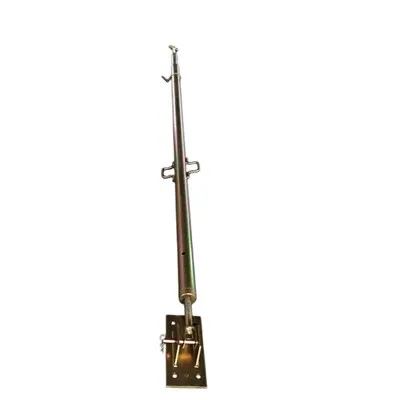
If you have any questions about maintaining your current tripod and forkhead, or if you’re ready to order a set that will last, feel free to reach out. We’re here to help with everything from small repairs to bulk orders for your team, and we’ll walk you through whatever you need to keep your rig working right. Don’t let avoidable downtime or worn parts slow you down—take care of your gear, and it’ll take care of you.
Steel Formwork References
- Machinery Maintenance Handbook, 5th Edition. Industrial Press Inc., 2019.
- Agriculture Equipment Care Guide. University of California Agriculture and Natural Resources, 2021.
- Overhead Lifting Component Maintenance Standards. Occupational Safety and Health Administration, 2020.
- Small Business Tool Care and Longevity Report. National Small Business Association, 2022.
Rizhao Wellfit Scafform Co., Ltd.
Address: No. 7, Huasheng Road, Taoluo Town Industrial Zoon, Donggang District, Rizhao City
E-mail: sales@wfscafform.com
WebSite: https://www.wfscafform.com/
