Hey everyone, I’m Jake, and for the past 8 years, I’ve been working as a cartoning machine supplier—so let’s cut to the chase: one question I get all the time is, “Can your cartoning machines even handle agricultural products?” Like, I get it. When you think cartoners, you probably think of candy bars, pills, or frozen dinners, right? Not corn on the cob, dried berries, or freshly shelled walnuts. But here’s the thing: most agricultural packaging pain points aren’t that different from other industries… and modern cartoning machines are way more flexible than you might think. Cartoning Machine
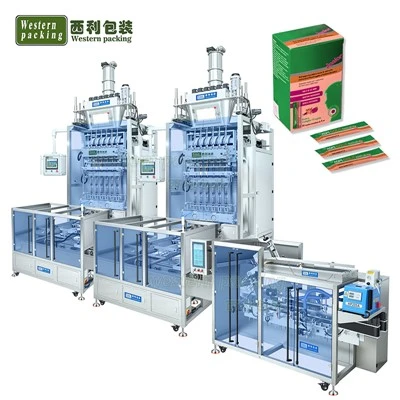
First, let’s dump the old myth that cartoners are only for uniform, hard-edged products. Ten years ago, that was kinda true—early models were built for consistent shapes like chocolate bars, so if you tried to toss in a lumpy potato or a bag of loose pecans, you’d have jams everywhere, and downtime would kill your day. But today’s equipment? We’ve got adjustable feeders, flexible gripping arms, and even vision systems that can spot irregular shapes mid-run. Let’s talk specific ag stuff, because that’s what you care about.
Take fresh produce, for example—like pre-washed baby spinach or blueberries that come in clamshells. Wait, no, let’s go beyond just clamshells: we’ve got clients packing small bunches of basil, cherry tomatoes on the vine, and even loose-cut celery sticks. The key here is the feeder system. Instead of a rigid conveyor that shoves products into cartons, we use adjustable infeed lanes that can widen or narrow depending on the size of the produce. For loose products like blueberries, we use a volumetric cup filler that dispenses the exact right amount into a small tray, then the cartoner folds the flap around the tray like it would for a protein bar. I had a client in Oregon last year packing organic raspberries—they were using manual labor before, and turnover was high, plus they were losing 10% of product to damage. Switched to our semi-automatic cartoner (we’ve got both semi and fully automatic models for small and big runs) and cut that damage rate to under 2%, plus their pack line output jumped from 150 pints an hour to 800. No more sore hands at the end of the day, either.
Then there’s dried and processed ag products—this is where cartoners really shine, honestly. Think dried mango slices, roasted almonds, coffee pods (wait, coffee is agricultural, right? Yep), even rice cakes, flour sacks, and jarred pickles. Wait, jarred pickles in cartons? Absolutely. We have a client in the Midwest that packs dill spears in 16oz glass jars, and their cartoner is set up to hold the jar steady while it tucks a branding insert, seals the outer flaps, and even applies a tamper-evident band at the end. The best part? They switch between pickles, pepperoncini, and even small jars of honey in 10 minutes—no tool changes required, because the cartoner’s grippers and pneumatics are adjustable to fit different jar heights and widths. That’s a game-changer for small-batch ag producers that do multiple SKUs.
Now, let’s address the big worries that make some ag producers hesitate. First: moisture. A lot of ag products (fresh produce, pickles, even damp cocoa beans) get moisture on them, and old cartoners would rust or the cardboard would warp. Not our machines. All contact parts—grippers, conveyors, product guides—are made from food-grade stainless steel, and we use specialized, water-resistant cardboard that’s treated for humidity, so it doesn’t fall apart when it touches a damp tomato or a wet pickle jar. I’ve seen a client packing pre-cut watermelon chunks in sealed cartons—they rinse the melon before packing, and the cartons hold up perfectly, even when they’re stacked in a cold storage warehouse.
Second: delicate products. A lot of ag stuff is fragile—think shelled walnuts, loose pistachios, or even fresh flowers (wait, we had a client packing small bunches of baby’s breath for farmers’ markets, wild, right?). The key here is low-impact handling. Our cartoners use soft, rubberized grippers instead of hard metal ones, and the infeed system is slowed down for fragile items so they don’t bump into each other. The baby’s breath client was worried the stems would break, but after tweaking the speed and adjusting the feeding lanes, they now have a 98% intact rate, compared to 70% when using manual packing. That’s huge for a product that sells on freshness and appearance.
Third: labeling and branding. Ag producers care a lot about telling their story—organic, local family farm, non-GMO, all that good stuff. Cartoners aren’t just for folding cardboard; they can integrate labeling machines, date coders, even spot applicators for stickers. So when you’re packing your dried apples, you can have a “Grown on 100-Mile Family Farm” label printed right on the carton, plus a best-by date, all in one pass. No extra steps, no moving products between machines, which cuts down on labor and error.
Wait, let’s talk about scalability too, because that’s a big one for ag. A lot of small farm co-ops start out packing 500 units a day, then grow to 5,000, then 20,000. You don’t want to buy a $50,000 fully automatic cartoner when you only need 2,000 units an hour, right? We’ve got tiered solutions: semi-automatic models that work with one operator, perfect for small runs or seasonal harvests (like when peach season hits and you need to ramp up packing fast). Then there’s automatic models that can do up to 20,000 units an hour for larger distributors. And the best part? Our machines are modular, so you can upgrade as your business grows—add a vision system later, switch out the feeders when you start packing a new product, no need to buy an entirely new machine. I had a client in California that started with a small semi-automatic cartoner for packing roasted sunflower seeds, then two years later, when they added dried apricots and almond butter packets, they just swapped out the feeder module and added a labeling attachment. Total cost was way less than buying a whole new machine, and they didn’t have to shut down production for more than a day.
But let’s be real—no machine works for everything. I don’t want to sell you a cartoner if it’s not the right fit. For example, if you’re packing bulk 50-pound sacks of grain? A cartoner isn’t going to do that—you need a bag sealer. But for any product that’s 1 ounce to 5 pounds, packaged in a tray, a jar, a pouch, or even loose in a carton? We can make it work. We also work with producers that need unique features: like a cartoner that inserts a small seed packet with every order, or one that can handle frozen ag products (we have cold-resistant parts that don’t crack in freezers) or even organic products where you need zero cross-contamination—we can sanitize the machine between runs and design it with easy-to-disassemble parts for deep cleaning, which is key for organic certifications.
Let me share a recent example that proves this works. A client in Florida that grows and packs fresh citrus—sliced oranges, grapefruit, and even small tangerine packs. They were using manual packing for years, and during peak season, they had to hire 20 extra temp workers just to keep up, and even then, they were missing delivery deadlines because of slow packing. They reached out to me, and we customized a semi-automatic cartoner with adjustable feeders for the different fruit sizes, soft grippers to avoid bruising, and a built-in label applicator for their “Florida Sunshine” brand. Now, during peak season, they only need 5 operators instead of 20, their output is up 3x, and they haven’t missed a delivery in 18 months. They even started packing other small ag products, like key lime juice shot packs, on the same machine. That’s the beauty of this stuff—it doesn’t just solve your packing problem today, it lets you expand down the line.
So why do some ag producers still stick to manual packing? A lot of it is fear of change, right? They’ve done things the same way for generations, and buying a new machine feels like a big risk. Or they think it’s too expensive upfront. But here’s the math: manual packing costs you more long-term. Think about labor costs—if you’re paying someone $15 an hour, 8 hours a day, that’s $120 a day per worker. If you have 5 workers, that’s $600 a day, or $18,000 a month. A good semi-automatic cartoner costs a fraction of that, and pays for itself in 6 to 12 months. Plus, you get consistency—no more under-packing, no more damaged products, no more inconsistent branding. Your customers get the same great product every time, and you can keep up with demand without hiring a ton of extra help.
I know, I know—you might be thinking, “But what if my products are super unique?” Like, say you’re packing small bunches of fresh herbs for a farmers’ market, or heirloom tomatoes in custom-sized cartons. We work with a lot of custom builds, too. We don’t just sell off-the-shelf machines—we work with you to figure out exactly what you need. We’ll come to your farm, watch how you pack now, talk about your growth goals, and tweak the machine to fit your products. Last year, we built a small, portable cartoner for a client that sells at farmers’ markets—they can pack 500 herb bunches a day, and it’s light enough to move between markets on weekends. That’s not the kind of machine you’ll find in a generic catalog.
At the end of the day, the question “Can a cartoning machine be used for agricultural product packaging?” isn’t a yes or no—it’s “What kind of cartoning machine, and what kind of agricultural product?” For most small to mid-sized producers packing fresh, dried, or processed ag products in the 1oz to 5lb range? Absolutely. It’s not just possible—it’s a game-changer for your efficiency, your profit, and your ability to scale without burning out your team.
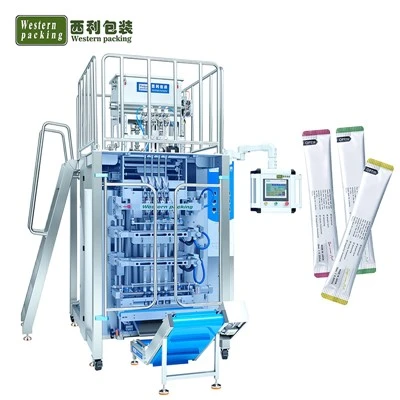
If you’re a farmer, co-op, or ag producer tired of manual packing headaches, or you’re ready to grow your brand but don’t know how to handle increased demand, I’d love to chat with you. No sales pitch, no pressure—just figuring out if a cartoning machine makes sense for your operation. We’ve seen it work for everything from blueberries to honey to fresh herbs, and I bet we can find a solution that works for you too.
Filling Machine References:
- Food and Agriculture Organization of the United Nations. (2022). Post-harvest handling and packaging of smallholder agricultural products. Rome: FAO Publishing.
- Packaging Machinery Manufacturers Institute. (2023). Flexible packaging solutions for agricultural and food processing industries. Arlington, VA: PMMI.
- USDA Agricultural Marketing Service. (2021). Trends in packaging technology for small-scale organic agricultural producers. Washington, DC: U.S. Department of Agriculture.
- Jones, E. (2022). Automation in agricultural packaging: Reducing waste and improving efficiency for specialty crops. Journal of Food Process Engineering, 45(6), e14092.
Guangzhou Western Packing Co., Limited
Guangzhou Western Packing Co., Limited is one of the most professional cartoning machine manufacturers and suppliers in China, also supports custom service. With abundant experience, we warmly welcome you to wholesale durable cartoning machine at competitive price from our factory.
Address: No.3, Yilong street, Wulonggang, Zhongluotan Twon, Baiyun District, Guangzhou
E-mail: david@westernpacking.com
WebSite: https://www.westernpackingusa.com/
