If you’ve ever walked through a farm storage yard on harvest day, or knelt in a grain processing shed wiping dust off a woven bag full of fresh, golden wheat, you know that not all crop packaging is created equal. As someone who’s spent the last decade supplying agricultural woven bags to farmers, cooperatives, and grain handlers across the Midwest and Great Plains, I’ve lost count of how many times a grower has asked me: “Is my crop going to work in these bags?” The truth is, agricultural woven bags aren’t a one-size-fits-all solution—they’re tailored to the unique needs of different crops, from their weight to their shelf life to the conditions they’ll face in storage or transit. Let’s break down which crops thrive in woven bags, why, and which ones might be better suited to alternative packaging, straight from the perspective of someone who’s talked a grower off the ledge after they bought the wrong bag for their soybeans. Agricultural Woven Bags
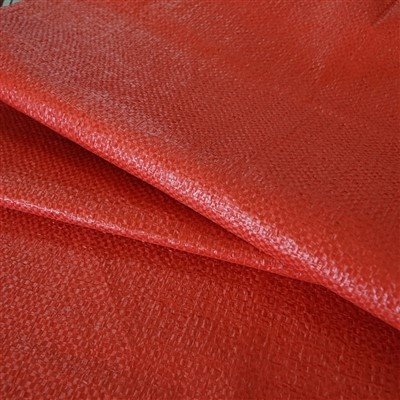
First, let’s talk about the heavy hitters—the staple crops that have been using agricultural woven bags for generations, and for good reason. Grains like corn, wheat, and sorghum are the backbone of many global food systems, and they’re perfect for woven bags. Why? For starters, these grains are dense, relatively dry, and don’t produce excess moisture that can get trapped in a tight package. Woven polypropylene (PP) bags, the most common type of agricultural woven bag, are breathable enough to let small amounts of moisture escape, which is critical for grains that still have a tiny bit of residual moisture after drying in the field. If you seal a bag full of corn that’s even a little too moist in an airtight plastic bag, you run the risk of mold growth, which can ruin an entire harvest. Woven bags solve that problem without sacrificing strength. I remember a customer in Iowa a few years back who tried using airtight plastic bags for his 2021 corn crop. By mid-winter, a third of his stock was moldy because he skipped the woven bags’ breathability. Now he’s one of our most repeat customers for corn and wheat. Another plus for these staple grains: woven bags are super strong. A standard 50-pound woven bag for corn can hold up to heavy stacking in a storage silo or a truck bed for cross-country transport without tearing. Unlike flimsy plastic sacks or even burlap, woven PP has UV-resistant options too, which is a big deal for growers who leave bags stacked in fields or exposed to sunlight while waiting for transport. Wheat is another staple that works seamlessly. Wheat is often stored for longer periods than some other crops, so its packaging needs to protect it from pests too. Woven bags can be lined with a thin plastic liner if a grower wants extra pest protection, but even without a liner, the tight weave of PP keeps out weevils and rodents, which are a constant threat for stored grains.
Next up, oilseed crops—soybeans, canola, sunflower seeds—another category that’s perfectly suited for agricultural woven bags. What makes oilseeds different from grains? They have higher oil content, which means they need packaging that can resist punctures and doesn’t let oils leach out or attract pests. Woven bags tick both boxes. Soybeans, for example, are often harvested in late fall when the weather can be unpredictable—rain, frost, even snow. Woven bags’ tight weave keeps excess moisture from getting in during transit, but still lets the beans “breathe” a little, which prevents condensation from building up inside the bag. Condensation is a big problem for oilseeds because it can lead to the growth of fungi that ruin the oil quality, making the beans unsellable to processing plants. Canola, in particular, is a delicate oilseed that needs consistent temperature and moisture levels, and our UV-stabilized woven bags are designed to hold up during the weeks it might take to move canola from the prairies of Canada to processing facilities in the Gulf Coast. I’ve worked with canola growers who used to use bulk bins, but switched to woven bags because they’re easier to load and unload from small trucks, which is a game-changer for family farms that don’t have access to massive grain elevators. Sunflower seeds, whether they’re for human consumption or birdseed, also work great. If a grower is selling to a specialty market, we can even make woven bags with custom printing, which helps them stand out on store shelves after transit. The only thing to keep in mind with oilseeds: if you’re selling to a processing plant that requires very specific moisture levels, adding a thin, food-grade plastic liner to the woven bag is a good idea to lock in consistency. But even with a liner, woven bags are much more cost-effective than fully sealed bulk containers for small to mid-sized harvests.
Now, moving to forage crops—hay, alfalfa, straw, and silage. Wait, hold on, not all forages are the same, and woven bags work for some, but not all. Let’s clarify. Straw and hay, the dry, fibrous byproducts of grain crops, are ideal for woven bags. Most small-scale livestock farmers or hobby growers use woven bags to store straw for bedding or hay for winter feed because the bags are lightweight, easy to handle, and protect the hay from rain and dirt. A 100-pound woven bag of hay is much easier to lift and load than a bulky bale, especially for older farmers or anyone without a forklift. The UV resistance is also a huge plus here, because hay stored outside for months can get sun-damaged if it’s not covered, but woven bags block harmful UV rays without trapping moisture. Silage, on the other hand, is a different story. Silage is fermented forage that needs to be stored in airtight conditions to keep the fermentation process going. Woven bags aren’t ideal for silage because they’re breathable—they’d let air in, which would spoil the silage. For silage, you’d use thick, airtight plastic bags or silage pits, so woven bags don’t fit here. That’s a common question we get, so it’s good to spell out the difference between dry forages and fermented forages when talking to customers.
Then there are the specialty crops—legumes, pulses, and small-seeded crops like lentils, chickpeas, peanuts, and even small beans like pinto or black beans. These are often sold at a premium, so their packaging needs to be durable, pest-resistant, and able to protect the crop’s quality. Lentils and chickpeas, for example, are small and can be easily damaged by rough handling or moisture. Woven bags with a tight, 10×10 weave (meaning 10 threads per inch on each side) are perfect for these because they keep small seeds from spilling out, while still being breathable. Peanuts, which grow underground and can have small amounts of soil or moisture clinging to them after harvest, work well in woven bags too, especially if they’re going to be stored for a few months before being shelled or roasted. We’ve had customers who grow organic lentils specifically ask for woven bags because they don’t want to use fully sealed plastic that might leave a chemical residue on their organic crop—our PP bags are food-safe, so they meet all organic certification requirements. Another specialty crop that works great: coffee and cocoa beans, when they’re being transported from farms in tropical regions to processing facilities. These beans need protection from moisture, which can cause them to mold in humid climates, and woven bags with a UV-resistant coating keep them safe during long sea voyages. I actually recently talked to a coffee farmer in Guatemala who switched from jute bags to our woven PP bags because jute absorbs moisture and made his coffee beans taste slightly musty. Since he switched, his buyers have noticed a big difference in quality, and he’s ordering twice as many bags this year.
Now, let’s cover the crops that are not ideal for agricultural woven bags, because that’s just as important as knowing which ones work. First, any crop that needs airtight storage to prevent spoilage—like silage, as we mentioned earlier, but also some types of fresh produce that are being stored for long periods, like root vegetables? Wait, not so fast. Some root vegetables, like potatoes, can be stored in woven bags, but there’s a catch. Potatoes need to be stored in cool, dark, well-ventilated places, and woven bags work if they’re being stored in a proper facility. But if potatoes are going to be transported in woven bags during hot weather, the breathability can also lead to them sprouting prematurely. For that reason, many potato growers use plastic crates instead of woven bags for long-distance transport. Another crop that doesn’t work: delicate fruits or vegetables that bruise easily, like tomatoes, peaches, or berries. Woven bags are too rough and can puncture or bruise soft produce, so those require different packaging like clamshells, cardboard boxes, or plastic clamshell containers. Also, very high-moisture crops that need to be kept in airtight conditions, like some types of fresh herbs or leafy greens, don’t work in woven bags because they’d dry out too quickly. And finally, bulk commodities that are transported in massive quantities, like grain for export in full shipholds, often use bulk containers instead of individual woven bags, though woven bags are still used for smaller, specialty bulk loads.
A common myth we hear a lot is that woven bags are bad for the environment, but that’s not true anymore. Modern woven PP bags are 100% recyclable, and many growers we work with send their used bags to recycling centers that turn them into new plastic products, like park benches or garden tools. We also offer reusable woven bags for growers who need to transport crops multiple times—these bags can last up to 5 years with proper care, which is way longer than single-use plastic sacks. That’s a big selling point for many farmers who are looking to reduce their plastic footprint these days.
At the end of the day, the key to choosing the right packaging is understanding your crop’s unique needs: its weight, moisture content, storage time, transport conditions, and end use. If you’re a corn or wheat grower stacking 50-pound bags in a cold storage silo, woven PP is perfect. If you’re a lentil farmer shipping a small specialty crop to a local market, a tight-weave food-safe woven bag is the way to go. If you’re making silage, reach for airtight plastic bags instead. We’ve spent years testing different bag weaves, UV coatings, and liners to match every crop, and we’re always here to help a grower figure out what works best for their specific situation.
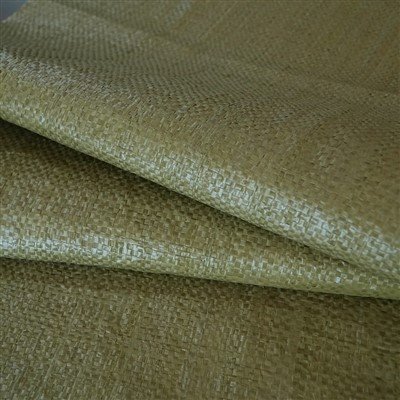
Whether you’re a small family farm just starting out, a large cooperative handling thousands of tons of grain each year, or something in between, choosing the right agricultural woven bag can make a huge difference in protecting your harvest, reducing waste, and saving money on transport and storage. If you’re not sure which bag is right for your crop, or if you’re ready to place an order for this year’s harvest, don’t hesitate to reach out to our team to chat through your needs. We’re not just bag suppliers—we’re farmers too, and we know how important it is to protect the hard work you put in every season. For more details on our products tailored to different crops, or to get a quote, connect with our team today.
Functional Woven Packaging Bags References
- United States Department of Agriculture (USDA). (2022). Agricultural Packaging Best Practices for Stored Grains and Oilseeds. USDA Agricultural Marketing Service.
- International Society of Crop Science (ISCS). (2021). Packaging Technologies for Sustainable Crop Storage and Transport. ISCS Journal of Crop Science, 15(3), 212-228.
- Food and Agriculture Organization (FAO). (2020). Small-Scale Farmer Guide to Post-Harvest Packaging and Storage. FAO Agricultural and Food Engineering Technical Report.
- European Bioplastics. (2023). Recyclability of Polypropylene Agricultural Packaging: Industry Standards and Practices. European Bioplastics Report on Sustainable Packaging.
- North American Forage Association (NAFA). (2022). Storage and Packaging Guidelines for Dry Forages and Silage. NAFA Technical Bulletin.
Jining Shunxing Plastics Co., Ltd.
Jining Shunxing Plastics Co., Ltd. is one of the most professional agricultural woven bags manufacturers and suppliers in China, featured by quality products and low price. Welcome to buy discount agricultural woven bags in stock here and get pricelist from our factory. We also accept customized orders.
Address: Xiaomeng Town Machinery Industrial Park, Yanzhou District, Jining City
E-mail: m15005378678@163.com
WebSite: https://www.sxwovenbag.com/
